What Should I Look for in Durable Finishes for Heavy-Use Employee Housing?
As the demand for workforce housing continues to rise across the U.S. West, developers, owners, and architects are confronting a unique set of challenges. One critical factor for successful projects is specifying durable finishes that stand up to constant wear and tear while keeping maintenance costs manageable. This is especially true for heavy use housing such as employee dormitories, construction camp facilities, and worker villages.
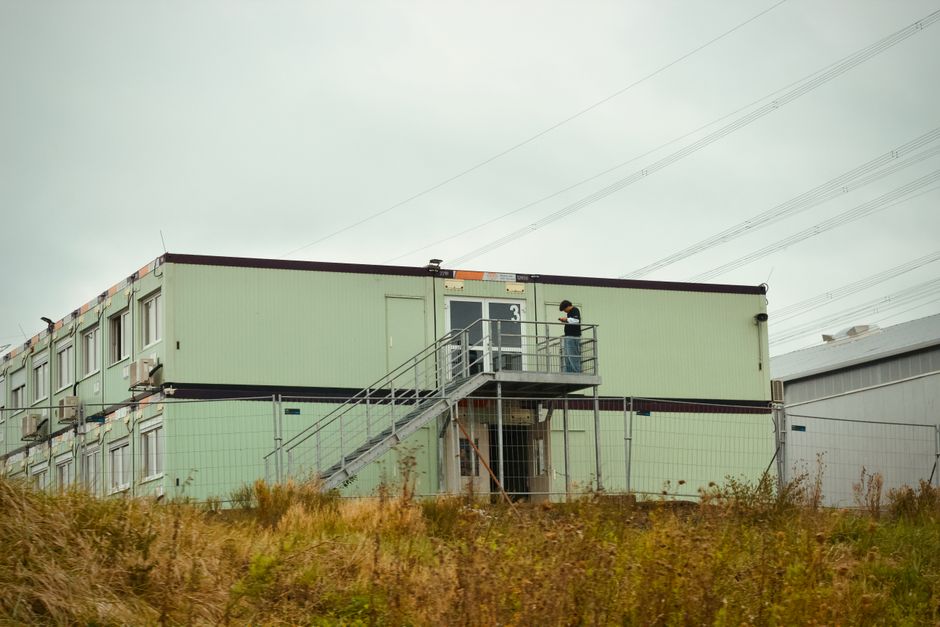
Companies like Irontown Modular, The Other Side Village, and My Cozy Outdoors are pioneering innovative solutions in this space, often blending manufactured and modular construction methods to bring durable, code-compliant, and expedient housing options to market.
Why Durable Finishes Matter in Workforce Housing
Workforce housing, especially in heavy-use settings, operates under tough conditions:
- High occupancy turnover: Shared rooms or communal living increase wear on walls, floors, and fixtures.
- Constant activity: Facilities supporting outdoor or industrial jobs frequently deal with dirt, moisture, and rough handling.
- Recruiting and retention: Comfortable, well-maintained housing can be a decisive factor for attracting labor.
Durable finishes reduce ongoing maintenance headaches, extend the life of the facility, and help maintain a clean and safe environment. Poor choices here lead to more frequent repairs, downtime, and dissatisfied occupants.
Understanding Manufactured vs Modular Construction
Before diving into finishes, it’s worth clarifying terminology and regulatory distinctions which directly affect design and permitting choices:
Aspect Manufactured Housing Modular Construction Definition Built entirely off-site in a factory and transported as mobile homes. Governed by HUD code. Constructed in sections ("modules") off-site; assembled on-site; complies with local/state building codes. Code & Standards Subject to Federal HUD Manufactured Home Construction and Safety Standards. Must meet local building codes where assembled (e.g. International Building Code). Permitting Permit process often handled differently, focusing on HUD compliance. Standard permitting and inspections apply; modular units inspected both factory and site. Foundation Often placed on temporary or semi-permanent foundations. Placed on permanent foundations like traditional buildings.Irontown Modular and projects like The Other Side Village intelligently leverage modular building codes to expedite construction while ensuring finishes are up to local code and sustainable under heavy industrial use.
Key Durable Finishes for Heavy-Use Employee Housing
When selecting finishes, keep the following attributes in mind:
- Wear Resistance: Floors, walls, and high-touch surfaces need materials that resist scratches, dents, and abrasion.
- Moisture & Stain Resistance: Employee housing in damp or muddy environments needs finishes that withstand moisture and are easy to clean.
- Low Maintenance: Minimize the complexity of upkeep by choosing finishes that require less frequent painting, resealing, or replacement.
- Hygienic & Easy to Sanitize: Particularly in communal bathrooms or kitchens, surfaces must be seamless or smooth to resist bacteria buildup.
- Cost Effectiveness: The best durable finishes achieve the balance of upfront cost with lifecycle savings on maintenance and replacement.
Floors
- Luxury Vinyl Tile (LVT) or Sheet Vinyl: Both are highly durable, water-resistant, and simple to maintain. LVT offers design variety while sheet vinyl seams can be welded for sanitary conditions.
- Epoxy-Coated Concrete: Ideal for high traffic, dirty environments. Very robust but more costly upfront.
- Rubber Flooring: Provides resilience and noise absorption, particularly in communal areas.
Walls
- High-Pressure Laminate Panels: Scratch resistant and easy to clean, excellent for halls and common areas.
- Washable Paint with Reinforced Baseboards: Use epoxy-modified or industrial-grade paints paired with metal corner guards in high-impact zones.
Cabinetry & Millwork
- Thermofoil or Laminate Surfaces: These finishes resist moisture and daily abuse better than natural wood veneers.
- Metal Hardware: Stainless steel or powder-coated components last longer under heavy use.
Bathrooms and Kitchens
- Solid Surface or Quartz Countertops: Durable and stain-resistant with minimal upkeep.
- Acrylic or Porcelain Fixtures: Easy to clean and tough against chipping.
Permitting Workflow and Inspections for Modular Employee Housing
One often overlooked aspect when building workforce housing is the permitting and inspection process, especially for modular construction projects.
Modular construction inherently offers a unique approach for compressing schedules by performing factory work in parallel with site preparation. However, this requires coordination between factory inspections and on-site reviews.
Typical Workflow Steps
- Design & Pre-Approval: Early submission of plans includes factory-built unit details consistent with local codes.
- Factory Inspections: Local or third-party inspectors review modules at the factory for code compliance.
- Site Permit & Foundation Work: Site permits often overlap with foundation installation, which may happen while modular units are in production.
- Delivery and On-Site Assembly: Modules are transported and assembled, with inspections verifying connections, utilities, and finishes.
- Final Inspection & Certificate of Occupancy: The completed project is inspected and approved.
The Other Side Village is a prime example of how efficient permitting and inspection strategies speed workforce housing delivery without compromising safety or durability standards.
How Durable Finishes Support Maintenance Planning
Choosing finishes that stand up to heavy use does not eliminate maintenance but shifts it from reactive to proactive management. Developing a robust maintenance plan is essential to maximize lifecycle value:
- Schedule routine cleaning protocols explicitly tailored to the finishes.
- Monitor high-impact areas for early signs of damage and address minor repairs swiftly.
- Train on-site maintenance staff on proper care techniques for the specific materials used.
- Factor replacement cycles into budgets to avoid unexpected capital expenses.
My Cozy Outdoors specializes in integrating durable finishes with maintenance planning tools that help owners sustain attractive, functional housing over many years.
Conclusion
Durable finishes in heavy-use employee housing are a crucial piece of the broader puzzle addressing workforce housing shortages in the western U.S. By understanding the distinctions between manufactured and modular construction, working efficiently with permitting authorities, and prioritizing materials designed to last, project teams can reduce long-term costs and improve occupant satisfaction.
Leveraging expertise from industry leaders like Irontown Modular, The Other Side Village, and My Cozy Outdoors can further ensure your workforce housing withstands the test of time and heavy use.
If you’re involved in planning or building employee housing, investing the time to specify durable finishes and understand the modular construction workflow will save you https://smoothdecorator.com/do-modular-sleep-units-ship-as-duplexes-or-fourplexes-exploring-modern-workforce-housing-solutions/ maintenance headaches and keep your project on modular townhomes over garage schedule.